How to Reset and Reorganize Your Closet System Each Season
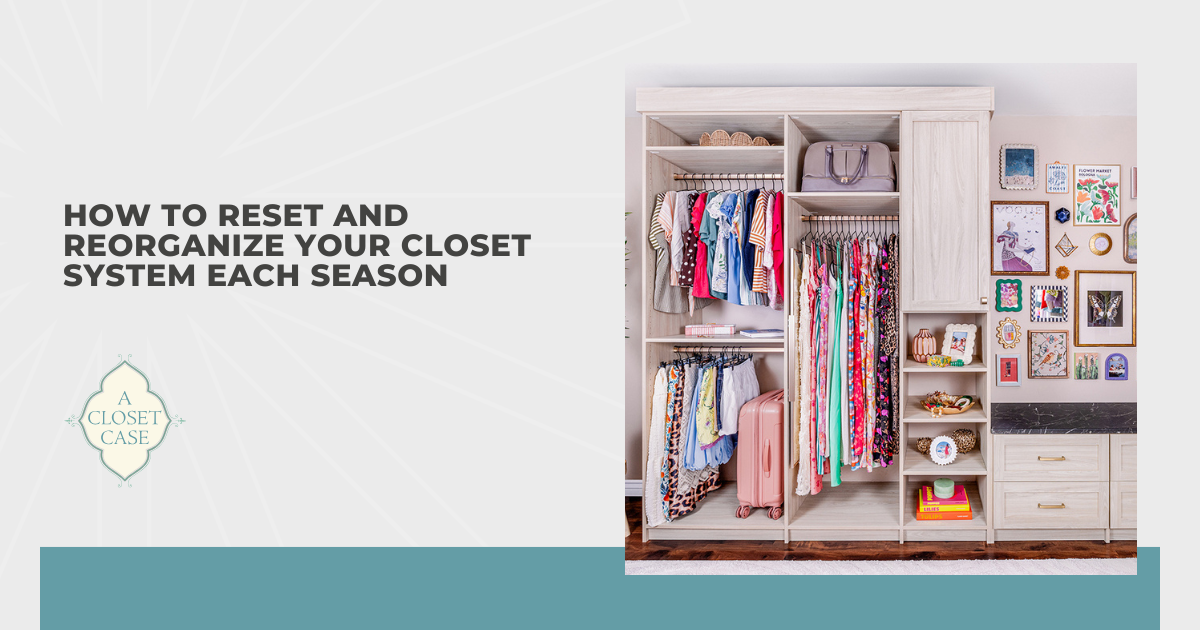
Every season, your wardrobe shifts, and your closet system feels it. The pieces you were reaching for daily a few months ago suddenly get pushed to the back, while bulkier or lighter items start competing for space. I’ve noticed that if you don’t intentionally reset things, the clutter builds quietly and the layout stops working the way it should. Treating each season as a reset point keeps your closet system functional, balanced, and easy to use instead of crowded and frustrating.
A seasonal closet system reset doesn’t have to be overwhelming when you break it into clear, manageable steps:
- Fully assess your current layout
- Edit before you reorganize
- Deep clean and prepare the space
- Rotate seasonal pieces strategically
- Reconfigure your closet for the months ahead
- Store off-season items the right way
- Set a simple mid-season maintenance plan
Let’s walk through each step so your closet system feels organized, intentional, and ready for the season ahead.
Fully Assess Your Current Layout
Before moving anything around, take a step back and look at your closet system as it stands right now. Notice which areas feel crowded, which shelves are underused, and which sections no longer reflect what you actually wear day-to-day. Pay attention to how the space feels overall, not just how it looks at first glance. Starting with observation instead of immediately pulling everything out keeps the process more intentional and less overwhelming.
Next, remove the pieces that clearly belong to the outgoing season. Laying them out in clear categories gives you a better sense of how much space they were taking up and whether that space was used well. You might realize certain items dominated valuable hanging space, while others were stacked too tightly on shelves or tucked out of sight. This step makes it easier to spot gaps, overcrowded zones, and missed opportunities within your closet system.
As you review what’s left, think about how easily you were able to access your most-worn items throughout the season. If you were constantly digging through stacks, shifting hangers, or rearranging shoes just to grab what you needed, that’s important feedback. Those small, day-to-day frustrations usually point to layout issues that need adjusting. A seasonal reset works best when you treat it as a chance to fine-tune the system so it actually supports your routine, not complicates it.
Edit Before You Reorganize
Resist the urge to immediately start rearranging shelves and hangers. Reorganizing without editing usually means you’re just shifting clutter from one section to another. A seasonal reset works best when you reduce volume first, then rebuild the layout around what truly belongs.
Pull everything from the outgoing season into one visible area and sort with intention. Create clear categories such as keep, store, donate, repair, or discard so decisions feel structured instead of emotional. Pieces that weren’t worn, didn’t fit comfortably, or no longer suit your lifestyle deserve a second look. Keeping only what serves you well makes the rest of the process significantly easier.
Be honest about duplicates and impulse purchases that slipped into rotation. Multiple similar pieces often compete for the same space, which leads to overcrowded rods and stacked shelves. Editing those extras frees up room and gives your closet system breathing space. Less volume allows each remaining item to hang properly, fold neatly, and stay visible without constant adjustment.
By the end of this step, the goal isn’t perfection, it’s clarity. Fewer items mean fewer decisions and less visual noise every time you open the door. Starting with a thoughtful edit sets the foundation for a layout that feels intentional rather than overstuffed.
Deep Clean and Prepare the Space
Once you’ve cleared out the pieces that don’t belong in this season, the closet itself needs attention. Dust builds up on shelves, hangers leave marks on rods, and drawers collect random lint and debris over time. Giving everything a proper wipe-down makes the space feel reset instead of just rearranged. It also gives you a chance to see the condition of the materials more clearly.
Take a few minutes to check the structure while everything is still empty. Rods should feel sturdy, drawers should slide smoothly, and shelves shouldn’t wobble under light pressure. I recommend testing each section before putting anything back so you won’t have to deal with small issues later. It’s easier to make adjustments now than once the closet is full again.
Look at your storage accessories with fresh eyes. Dividers, bins, and inserts should reflect how you actually dress right now, not how you organized things two years ago. Some pieces may no longer make sense for your current wardrobe or daily routine. Swapping out what doesn’t work keeps the closet system feeling intentional and cohesive.
A clean, stable space changes the way everything goes back in. Your closet feels lighter, more functional, and easier to maintain from the start. Resetting the structure before reorganizing the clothes makes the entire process more effective. It’s a small step that makes the seasonal transition feel complete.
Rotate Seasonal Pieces Strategically
Now that the space is clean, bring back the pieces you’ll actually be wearing over the next few months. Instead of returning everything to its old position, think about how your mornings usually go. The items you reach for several times a week should sit at eye level or within easy reach. Getting dressed shouldn’t require digging or rearranging half the closet.
Off-season clothing doesn’t need to disappear completely, but it shouldn’t compete for everyday space either. Upper shelves, labeled bins, or secondary sections of your closet system work better for items you won’t need for a while. Keeping those pieces grouped together prevents them from slowly mixing back into your daily options. Clear separation keeps the space feeling calm instead of crowded.
Hanging space usually needs adjusting during a seasonal swap. Bulkier coats need more space between hangers, while lighter fabrics can sit closer together without wrinkling. Shoes and accessories should also move based on how often you actually wear them. Giving your most-used items better placement makes a noticeable difference in how the closet functions.
Your closet should match the season you’re in right now. Heavy layers shouldn’t block lighter pieces during warmer months, and sandals shouldn’t crowd boots when temperatures drop. Small layout changes reduce daily frustration in ways you might not expect. A simple shift in placement can make the entire space feel easier to use.
Reconfigure Your Closet for the Months Ahead
A seasonal reset is the right time to adjust the structure of your closet system, not just the contents. The layout that supported heavier layers a few months ago may not make sense for lighter fabrics and different footwear now. Shelf spacing, hanging sections, and drawer use should reflect what you’ll realistically reach for each week. Small structural adjustments often have a bigger impact than shifting clothes around.
Start with the hanging areas and evaluate proportions. Longer garments require clear vertical space, while shorter pieces can share double-hang sections comfortably. If your system allows for adjustability, shifting a rod or shelf by a few inches can immediately create balance. Proper spacing prevents garments from bunching, stretching, or losing their shape.
Shelves and drawers should also be reassigned based on seasonal volume. Bulky sweaters may have dominated folded storage recently, but lighter tops or workout sets may need that space now. I approach this step by prioritizing frequency of use over habit, because routine should guide placement. Matching the structure to real-life wear patterns keeps the system efficient instead of overcrowded.
Ignoring structure is how layouts slowly stop working. A closet that reflects your current season feels easier to maintain without constant reshuffling. Adjustments at the framework level reduce the need for daily corrections. Strategic reconfiguration keeps the entire system aligned with how you actually live.
Store Off-Season Items the Right Way
Off-season pieces shouldn’t just be pushed to the back and forgotten. I treat storage as part of the system, not an afterthought, because how you store items directly affects how they look and fit next season. Folding heavy garments incorrectly or cramming pieces into tight bins can lead to wrinkles, stretched fabric, and unnecessary wear. Proper storage keeps your wardrobe in better condition between rotations.
Breathable containers work better than sealed plastic for most clothing. Natural airflow helps prevent trapped moisture and musty odors, especially in warmer, humid climates. Garment bags should allow fabric to breathe while still protecting from dust and light. Labeling containers also saves time when the next seasonal reset rolls around.
Shoes and accessories need attention as well. Boots benefit from light stuffing to maintain their shape, while delicate materials should be kept in dust bags. Grouping off-season items by category makes the transition back into your closet system much smoother. Organized storage now prevents a chaotic re-entry next season.
Off-season storage should feel contained, not buried or forgotten. Pieces that are stored well come back into rotation in better shape and require less reshuffling. A little structure during storage reduces friction when the seasons shift again. Keeping things intentional now makes the next reset far easier.
Set a Simple Mid-Season Maintenance Plan
Seasonal organization works best when it’s supported by small check-ins throughout the months that follow. Letting things pile up until the next big reset usually leads to overcrowded shelves and overstuffed rods. A few intentional adjustments along the way keep your closet system aligned with how you’re actually using it. Regular attention prevents minor issues from turning into larger disruptions.
Pay attention to the areas that see the most movement. High-use sections tend to reveal stress first, whether it’s hangers getting tight, drawers becoming difficult to close, or stacks leaning out of alignment. These small signs are helpful feedback rather than problems. Addressing them early keeps the structure stable and easier to manage.
Laundry cycles often highlight where friction exists. Clean clothes that consistently end up in piles instead of returning to their assigned space usually signal that something needs rethinking. I suggest reviewing one category at a time rather than attempting to overhaul everything at once. Focused adjustments feel manageable and are more likely to stick.
Maintenance doesn’t require hours of effort or a complete reorganization. A quick realignment of a shelf, a minor edit of rarely worn pieces, or a redistribution of hanging space can restore order. Staying on top of small shifts keeps the closet from slowly slipping back into chaos. Consistency between seasons makes each reset smoother than the last.
Conclusion
Seasonal changes naturally affect what you wear, how you store it, and how your closet system functions day to day. Taking time to reset, edit, clean, rotate, and adjust the structure keeps the space aligned with your current routine. Small layout shifts and volume edits can eliminate the quiet frustration that builds when things stop working smoothly. I believe closets function best when the structure adapts to your lifestyle instead of staying fixed all year. A consistent seasonal reset turns organization into a practical rhythm rather than a once-a-year overhaul.
Showroom Location
260-D Seven Farms Drive, Daniel Island, SC 29492
Contact Information
Phone: (843) 971-9069
Email: aclosetcase@gmail.com
Hours
Showroom & Office Hours
Monday - Friday: 9:00 AM - 5:00 PM
Saturday - Sunday: By Appointment Only