How Do You Organize a Shared Reach-In Closet?
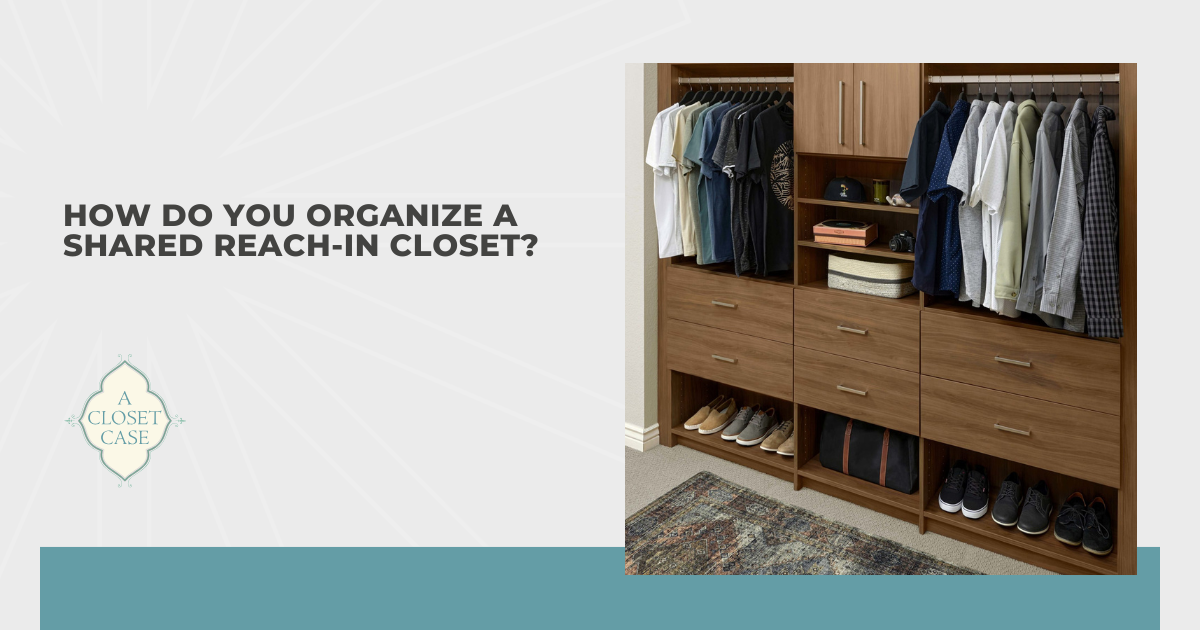
Sharing a reach-in closet can be frustrating, especially when the space feels too small for two wardrobes. In most cases, the problem isn’t the size of the reach-in closet, it’s the lack of structure and clear organization. With the right layout and a plan that accounts for how two people actually use the space, a shared reach-in closet can function smoothly instead of feeling cramped or chaotic.
Let me walk you through practical ways to organize a shared reach-in closet, including how to divide the space fairly, choose storage that works for both people, and keep the system easy to maintain over time.
- Start with clear zones for each person
- Use vertical space to double storage
- Choose storage that works for both users
- Maximize drawer and shelf organization
- Make shared items easy to access
- Adjust and maintain the system over time
I’ll begin with the one step that makes the biggest difference in a shared reach-in closet.
Start With Clear Zones for Each Person
Sharing a reach-in closet gets frustrating fast when everything blends together. When both of you are using the same shelves and hanging space, it’s hard to tell where things belong, and clutter builds up before you even notice it. Clear zones remove that confusion and make the closet easier to use every day.
Dividing the closet doesn’t have to be complicated. You might split it left and right, or top and bottom, depending on what each of you wears most. What matters is that both sides feel fair and functional, with access to hanging space, shelves, and storage.
In shared reach-in closets, organization tends to last longer when each person has a space that feels like their own. That sense of ownership makes daily routines smoother and helps keep the closet from slipping back into chaos.
Use Vertical Space to Double Storage
Most reach-in closets have more height than they use effectively. When storage is limited to a single rod and a few shelves, space fills up quickly, especially when two people are sharing it. Looking upward often reveals unused room that can make a big difference.
Adding a second hanging rod is a simple way to create more breathing room, particularly for shirts, pants, and shorter garments. Upper shelves work well for items you don’t need every day, like seasonal clothing, extra bags, or folded sweaters, while lower areas stay focused on daily use. I’ve found that once vertical space is used more intentionally, the closet feels less crowded almost immediately.
Using the full height of the closet makes it easier to see and access everything you own. You’re no longer stacking items or squeezing things into tight spots. The extra breathing room goes a long way in making a shared reach-in closet easier to live with.
Choose Storage That Works for Both Users
Two people rarely use a closet in the same way, and I see this come up often in shared reach-in closets. One person may rely heavily on hanging space, while the other prefers shelves or drawers. When storage favors only one routine, the closet starts to feel inconvenient instead of shared. Frustration usually builds from that imbalance.
A mix of shared and individual storage tends to work best. Personal drawers paired with flexible hanging and shelving areas give both people room to adjust as needs change. Better results usually come from layouts that reflect how each person actually gets dressed, not just how the closet looks once it’s divided.
Daily routines feel smoother when storage supports them naturally. Finding items and putting them away takes less effort, which helps the closet stay organized without constant rework.
Maximize Drawer and Shelf Organization
Drawers and shelves often become problem areas in shared reach-in closets because they’re easy to overfill. Without a clear system, items get stacked, mixed together, or pushed to the back and forgotten. What begins as extra storage can quickly turn into clutter that’s hard to manage.
Simple dividers and intentional shelf spacing help keep things under control. Assigning specific drawers to each person and grouping similar items on shelves keeps everything visible and easy to reach. Leaving a bit of open space on shelves also makes it easier to grab items without shifting everything around.
Well-organized drawers and shelves reduce daily frustration in a shared closet. Finding what you need becomes quicker, and putting things away feels more natural. Over time, that clarity helps the entire closet stay organized with less effort.
Make Shared Items Easy to Access
Shared items are usually where a reach-in closet starts to feel messy. Shoes, bags, accessories, and seasonal pieces tend to float between both sides when there isn’t a clear place for them. Before long, those items end up taking over space you meant to keep personal.
Giving shared items a home makes a big difference. A shared shoe shelf, one accessories drawer, or a dedicated shelf for seasonal items helps keep everything contained. Knowing exactly where shared items belong makes it easier for both of you to grab what you need and put it back without overthinking it.
Easy access matters just as much as clear boundaries. Shared items should be placed where you don’t have to move someone else’s things just to reach them. I’ve seen shared reach-in closets stay far more organized when common items are simple to access and just as easy to return.
Adjust and Maintain the System Over Time
Organization doesn’t stay perfect on its own. Clothing changes with the seasons, routines shift, and storage needs evolve, especially when two people are using the same closet. Without occasional attention, even a well-planned setup can start to feel crowded again.
Small updates help keep things working smoothly. Rebalancing hanging space, adjusting shelves, or reassigning drawers allows the closet to reflect how it’s actually being used. A quick check-in every so often helps prevent clutter from quietly creeping back in.
Treating organization as an ongoing process keeps everything functional and low-stress. Minor maintenance goes a long way toward avoiding major cleanouts later. Flexibility is what allows the system to keep working for both people.
Conclusion
Organizing a reach-in closet for two people doesn’t have to be stressful. With clear zones, smart use of vertical space, and storage that actually matches how you both get dressed, sharing a closet can feel a lot easier. Paying attention to shared items and making small adjustments as needs change helps everything stay in place instead of slowly falling apart. With a thoughtful setup and a little upkeep, a reach-in closet can work comfortably for both of you every day.
Showroom Location
260-D Seven Farms Drive, Daniel Island, SC 29492
Contact Information
Phone: (843) 971-9069
Email: aclosetcase@gmail.com
Hours
Showroom & Office Hours
Monday - Friday: 9:00 AM - 5:00 PM
Saturday - Sunday: By Appointment Only