How Can Walk-In Closets Look Luxurious on a Realistic Budget?
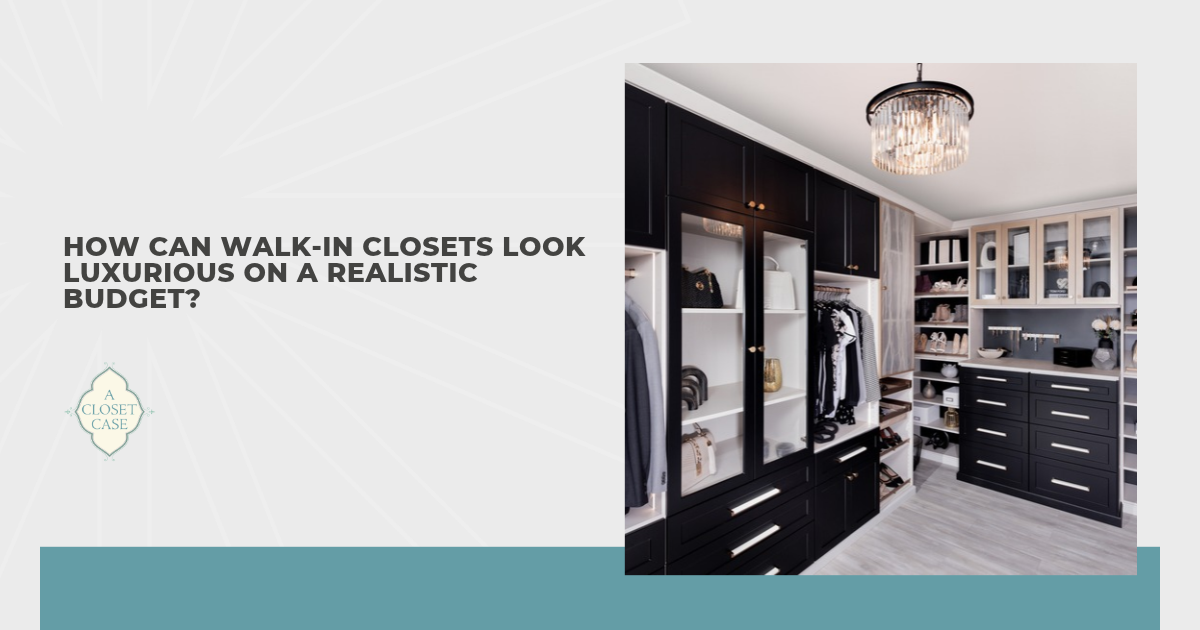
It’s easy to fall in love with a closet inspo photo on Pinterest and wonder how much it would cost to get that same look at home. Maybe the accent lighting caught your eye, or you liked how neatly the shoes and bags were displayed in their custom cabinets or shelves. But I can tell you your walk-in closets don’t need every feature in that photo to feel chic or luxurious. With a realistic budget, you can borrow the details you love and leave out the rest that you don’t mind not having.
As a starting point, I suggest that you first take a good long look at your present space and ask yourself what you like about it, and what frustrates you the most about your closet. If clutter has taken over your closet, and clothes and accessories are hard to find or reach, drawers, shoe shelves, or accessory organizers may matter more than fancy lighting. On the other hand, if your closet layout already works, just a few color and hardware changes may be enough to give you that luxury look. Taking the time to think about what you need storage-wise helps you determine where to spend and where to save, so you’re not paying for features you won’t use.
Here are some of my personal tips to help you achieve a more luxurious walk-in closet without going over budget:
- Set a budget around what your closet actually needs
- Improve your closet layout before adding decorative features
- Compare finishes by appearance, performance, and cost
- Use lighting where it makes the most difference
- Coordinate hardware and accents
- Balance open shelves with closed storage
- Choose one focal point instead of several
- Plan for features that can wait until later
Now let’s go over setting a realistic budget first.
Set a Budget Around What Your Closet Actually Needs
Before you start picking out a new color palette, prioritize creating an inventory of the items that you need to store and make a quick note of where you're usually running out of room in your closet. For example, shoes have overflowed from dedicated cabinets onto the floor, or folded clothes have piled up outside the closet because you didn't have enough room. I'd put these storage needs as the biggest priority and build the budget around them. Then create a separate list for the extra features you'd like to have.
On this list, put a short note on why each of these extras should stay, such as one feature that helps you get ready quicker in the mornings or another that keeps items decluttered and accessible. If you're keeping a feature because it looks good in the inspo photo, I'd suggest leaving it out for now until the essentials are covered. As for your current closet setup, I recommend keeping anything that still works and fits the new design you have in mind, such as an existing mirror, cubbies, or even a lighting fixture. It's also important to note that even if you want your walk-in closet to have a bigger update or significant revamp, this doesn't mean that you have to remove or replace everything.
Whenever I work on a closet upgrade, I communicate to my client what's included in their package, and what might cost extra, and you should ask your contractor to do the same. Doing so shows you which features are optional, so you can decide whether to add them. Also check whether painting, removal of old shelving, or electrical work would be billed separately. If the total is higher than you're comfortable spending, ask to see the price without some of the optional features so you can bring the total down without giving up the essentials.
Improve Your Closet Layout Before Adding Decorative Features
Even expensive finishes won't make a cramped closet feel comfortable to use. If opening a drawer means stepping around a shelf or moving a hamper, the layout gets my attention before decorative features do. Sometimes the problem is how the space is divided, since a roomy closet can still be laid out poorly. A tall shelf might hold only a short stack of shirts, while dresses bunch up beneath a hanging rod nearby. Correcting that mismatch deserves a share of the budget before another cabinet takes up more room.
In smaller walk-in closets, an island can be especially tempting when it's the feature you love most in the closet photo you saved. But a drawer section along the wall can hold the same belongings without taking up the middle of the room. I ask where you stand to get dressed and which clothes you reach for most, because daily habits should shape the layout. Room to open drawers and reach hanging clothes will be useful long after the excitement of a new finish wears off. An island or seat earns its place only if the remaining space still leaves you room to move.
Matching shelf heights and drawer fronts can give the room a more consistent appearance, but I won't sacrifice useful storage to make every section identical. Your designer can show you where those lines can match without wasting space. Long coats need more hanging room than shirts, so a long-hang section and a double-hang section can still share the same top line. Different-sized sections can look coordinated without forcing your belongings into spaces that don't fit.
Compare Finishes by Appearance, Performance, and Cost
Photos are useful for finding colors you like, but actual samples tell you much more about a finish. Beside your flooring and under your closet's lighting, a color often looks quite different from the one on your screen, so I like to hold samples up inside the actual closet. Wood-look patterns can also vary in texture and detail, even when their colors are similar. Seeing samples together gives you a chance to rule out combinations that looked good separately but don't quite work in the room.
One main finish can give your cabinets a consistent appearance, with a second color reserved for a detail you want to highlight. For example, you might love the idea of a wood-look drawer section surrounded by lighter shelving. My deciding question is whether the second finish adds something you enjoy or only adds another choice to the project. If you like the space as much with one finish, there's no reason to complicate the design.
For walk-in closets, a material's name or price doesn't tell you whether it's worth the money. Pricing the same layout in two or three finishes gives you a clearer comparison than looking at unrelated closet packages. Cleaning requirements and warranty coverage also belong in that comparison, since similar-looking surfaces may have different limitations. If the less expensive option meets your needs, the savings can go toward another part of the design. Paying more makes sense when the difference buys a look or benefit you genuinely value.
Use Lighting Where It Makes the Most Difference
Fancy lighting may catch your eye first, but dark shelves and hard-to-see clothes deserve some attention too. Start with the places where you struggle to see, then leave room in the budget for lighting that highlights a favorite detail.
- Lighting for everyday use: Clothes and shelving can leave parts of the closet in shadow even when the center of the room looks bright. Light near those storage areas is often more useful than a decorative fixture that leaves the same dark spots.
- Accent lighting in selected areas: A few illuminated shelves can add a luxurious touch to walk-in closets without lighting every section. A favorite handbag display or shoe area gives that lighting somewhere specific to draw your attention.
- Consistent light color: Noticeably warm and cool lights can make the same finish look different around the room. Seeing the proposed lights beside your samples helps you judge whether the combination gives you the appearance you want.
- Installation costs: Wiring, switches, and power supplies are part of the lighting plan along with the fixtures themselves. Ask where the wiring will run and where the switches will go, since both can add as much to the cost as the fixtures do.
If your budget covers only one lighting improvement, being able to tell navy from black matters more to me than a decorative fixture. Accent lighting can come later if the design allows it without costly rework.
Coordinate Hardware and Accents
Once your belongings are back in the closet, pulls, rods, hangers, and baskets become part of the overall appearance. Coordinating a few of those visible details can help the space feel finished without replacing every accessory you own.
- Hardware finishes: Similar finishes on drawer pulls and visible rods can tie different storage sections together. Sticking with one or two metal tones across the closet keeps the pieces looking related, even when their shapes differ.
- Comfortable handles: An attractive pull still needs to feel comfortable when you open a drawer. I'm more interested in whether you can grip it easily than whether it's the most decorative option.
- Matching hangers: In walk-in closets with exposed hanging sections, consistent hangers can make clothing look less scattered. Different garments still need different support, and I wouldn't put a heavy wool coat on a thin hanger only to match the rest.
- Custom-fit baskets: Coordinated baskets can hide smaller items while adding color or texture to open shelves. Their dimensions matter as much as their appearance, especially if a basket is difficult to pull out or leaves useful shelf space empty.
Repeating a few finishes and shapes looks more coordinated than buying several unrelated accessories. My rule is to spend on replacements only when they solve a visible mismatch or a daily annoyance, because that's where the budget goes furthest.
Balance Open Shelves With Closed Storage
Open shelves can look beautiful with neatly arranged bags or shoes, but not everything you own needs to be on display. Socks, workout clothes, and small accessories are usually easier to manage in drawers. Before suggesting more open shelving, I want to know whether keeping folded stacks neat already feels like a chore. If it does, enclosed storage may suit you better. Open sections can then hold belongings you enjoy seeing and find easy to put away.
Closed storage doesn't have to cover every section of walk-in closets to do its job. A drawer bank can hide smaller clothing items while nearby shelves keep shoes easy to find. Your designer can price doors and drawers in selected areas so you can see what each addition would cost. There's no fixed number of open and closed sections that works for everyone, so the useful balance depends on what you own and how you put it away.
Display space also needs to leave enough room for everyday belongings. If a display means squeezing folded clothes onto an already full shelf, the design needs another look. A few favorite pieces can stay visible while the rest have a proper storage spot. I'll take a small display over a large one, since a small one gives you less to rearrange and leaves more room for things you use each day.
Choose One Focal Point Instead of Several
Think about the detail you remember most from your favorite closet photo. It might be a framed mirror, a rich cabinet color, or a built-in bench. If you showed me several decorative options, my first question would be which one you'd miss most if we left it out. Your answer helps identify the feature worth giving more of the budget. Nearby finishes and accents can stay simpler so that detail stands out.
In walk-in closets, I like a focal point that also does a practical job. A distinctive drawer section may provide storage you already need, while a mirror can help you check an outfit. Its position matters, especially if an open door or hanging clothes would hide it from view. A smaller version may suit the room better if the original idea takes away too much storage or space to move. Loving how something looks is reason enough for this one feature, as long as its place in the room still makes sense.
Plan for Features That Can Wait Until Later
Some extras are easy to buy after the closet is finished, while others need decisions during the design stage. Baskets and hangers are different from drawers, doors, or lighting that must work with the installed system. Larger additions need a conversation with your designer before you count on buying them later. One thing I want settled early is whether postponing a feature would require changing completed work. If it would, delaying the purchase often doesn't save you money overall.
Matching finishes and compatible parts may not remain available indefinitely. A feature that depends on an exact match might belong in the initial installation, while an accessory that doesn't need to match could wait. For example, a freestanding hamper gives you more freedom to shop later than a pull-out hamper designed for a particular cabinet opening. Design records, finish names, and product details will be useful if you return to the project.
Spreading out updates to walk-in closets also gives you time to learn what you actually miss. After a few weeks, you might find that a jewelry organizer would be useful but the extra display shelves no longer interest you. Living with the finished storage helps separate a daily need from something that appealed to you during planning. Money set aside for later additions can then go toward features you know you'll use.
Conclusion
There's no need to spend a lot of money to copy every detail from your favorite photo and give your walk-in closet a more luxurious look and feel. A layout that fits your belongings, finishes you enjoy, and a few coordinated details can give you plenty to feel good about. In fact, I encourage you to invest in storage you'll use every morning instead of extras you're unsure about. Remember that some finishing touches can wait until you've lived with the space and know what's missing. If the closet makes getting dressed easier and includes the details you love most, then you can be sure you've put your money toward something worth having.
Showroom Location
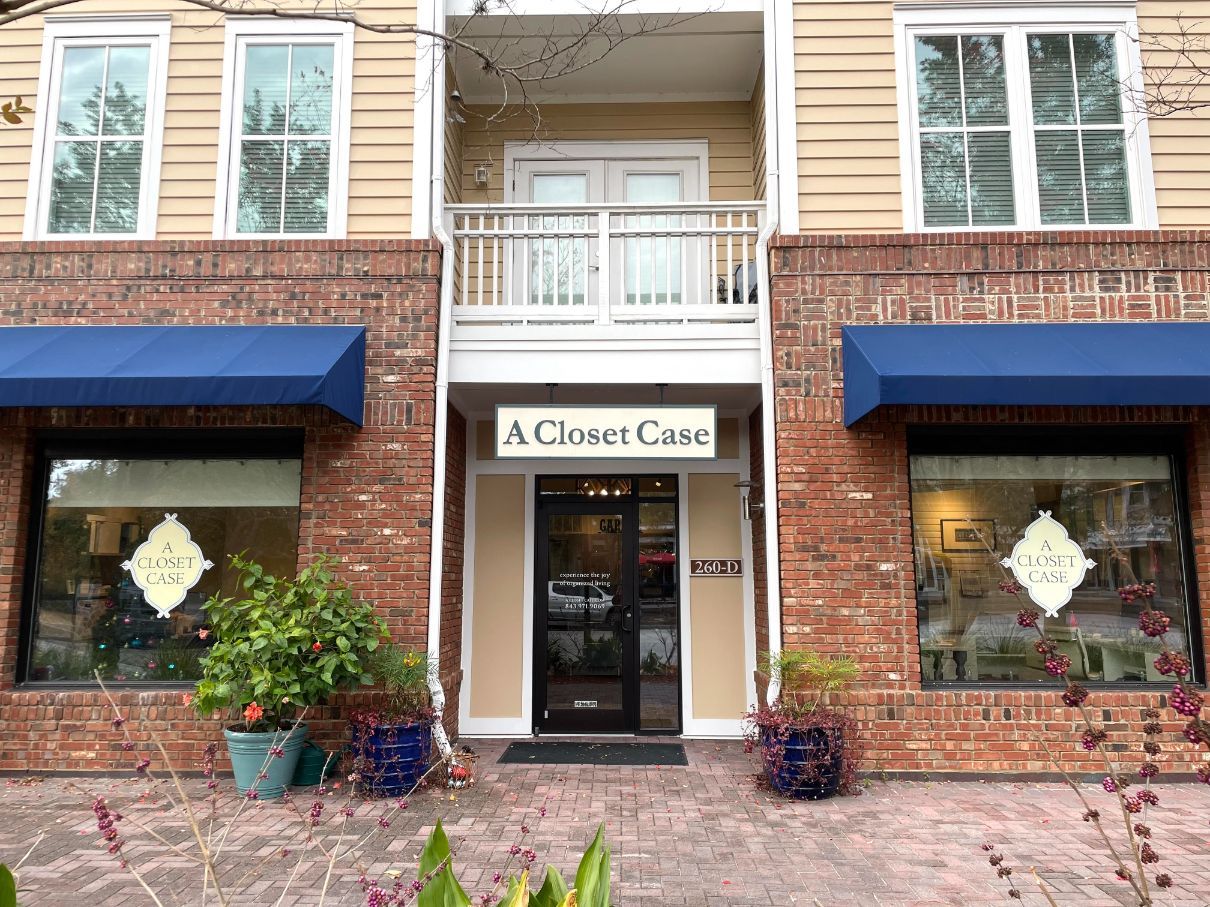
260-D Seven Farms Drive, Daniel Island, SC 29492
Contact Information
Phone: (843) 971-9069
Email: aclosetcase@gmail.com
Hours
Showroom & Office Hours
Monday - Friday: 9:00 AM - 5:00 PM
Saturday - Sunday: By Appointment Only