Can Custom Closet Systems Increase Home Value in South Carolina?
Closet upgrades raise a fair question when you’re thinking about selling your South Carolina home: will buyers actually value the investment? Short answer: yes, custom closet systems add real buyer appeal and contribute to your home’s value, though they won’t guarantee a higher sale price. Organized storage helps buyers picture their own belongings in your space, and I’d say that picture carries a lot of weight at showings.
Let’s walk through where custom closet systems add value, where they fall short, and what that means for your home:
- Closet renovations recover part of their cost at resale
- Better storage makes a home more appealing to buyers
- Local market expectations influence the added value
- Flexible layouts appeal to future owners
- Construction quality helps preserve the upgrade’s usefulness
- Overspending cuts into the financial benefit
- Everyday use adds value beyond the sale price
Closet Renovations Recover Part of Their Cost at Resale
Closet renovations recover an estimated 83% of their cost at resale, according to the 2025 Remodeling Impact Report from the National Association of REALTORS® and the National Association of the Remodeling Industry. In simple terms, that means an estimated $83 in resale value for every $100 spent. For comparison, bathroom renovations came in at an estimated 50% in the same report. Home value doesn’t increase by 83% as a result, and the renovation won’t necessarily pay for itself.
As a starting point, I find that figure useful, provided its limits stay clear. Nationally, the estimate covers closet renovations, so it isn’t a forecast for a particular South Carolina home or every installation of custom closet systems. Rather than promising a return from a completed sale, the report compares estimated project costs with real estate professionals’ estimates of resale value. Think of it as a reason to consider the improvement while you weigh the actual quote against your home’s needs.
Better Storage Makes a Home More Appealing to Buyers
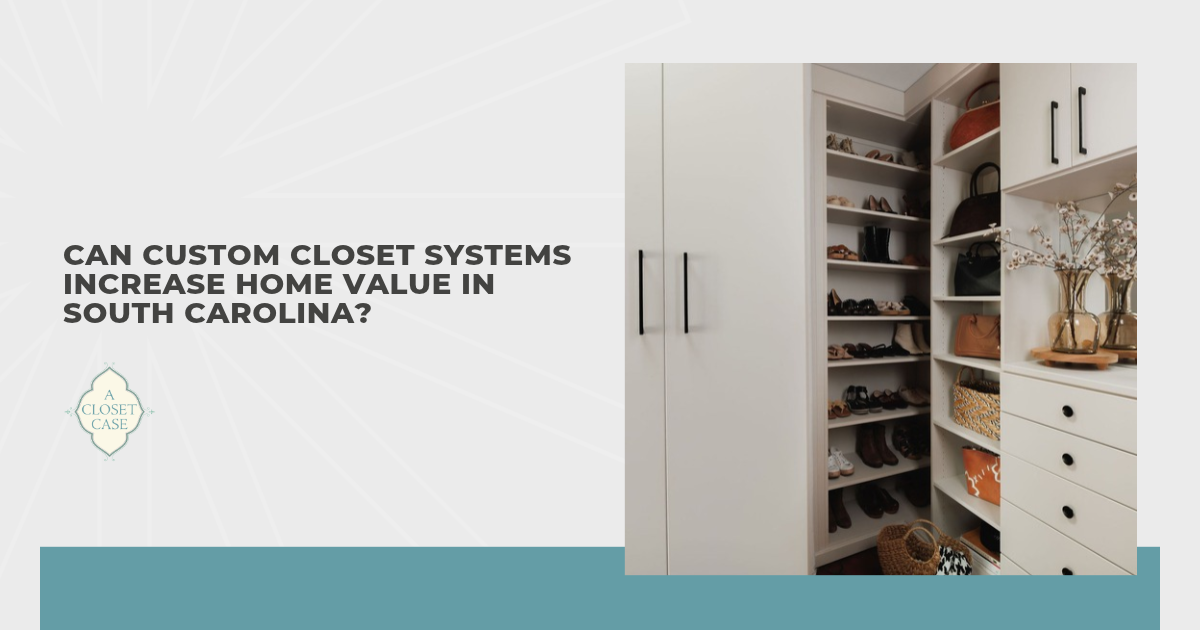
Beyond the numbers, buyers respond to what they see during a tour of your home, and they may open a closet to check whether their clothes, shoes, and other belongings would fit. With a single crowded rod, that’s difficult to judge, even when there’s unused space above or below it. Separate hanging areas, accessible shelves, and drawers in custom closet systems put that space to use. Buyers grasp the benefit faster when they see where everyday belongings would go.
Shared closets make that question harder to answer. Couples touring your home aren’t only asking whether one wardrobe fits, but whether two will coexist without crowding. Dedicated zones for hanging, shelving, and drawers answer that quickly, while one rod and a shelf leave it to guesswork. Buyers who see both sides laid out clearly get the sense that the space was planned around daily routines.
Tidy and practical don’t always go together in a closet. Attractive finishes catch the eye, but I look first at whether longer clothing has room to hang and whether drawers open without blocking access. Practical details show how the space works, and buyers appreciate having them addressed before they move in. Better organization doesn’t add a square foot, but it changes how usable the existing space feels. Buyer appeal supports a favorable impression of your home, although it doesn’t establish a specific price premium or guarantee a faster sale.
Local Market Expectations Influence the Added Value
Closet upgrades play out differently at resale depending on what nearby homes offer. If similar properties have practical built-in storage, improving a basic closet helps your home meet buyers’ expectations. In a market where simpler storage is the norm, an elaborate installation may add little beyond what a modest one would. South Carolina’s markets vary widely, with recent median sale prices running from roughly $315,000 in Myrtle Beach to $585,000 in Charleston. Statewide estimates won’t tell you much about your own home.
If resale is your main reason for upgrading, I suggest asking a local real estate agent how your closets compare with those in recently sold homes of a similar size and price. What matters is whether custom closet systems would fix a noticeable disadvantage or add features buyers aren’t likely to pay more for. Comparable sales won’t tell you exactly what a closet is worth, but they still help you gauge whether the expense makes sense.
Flexible Layouts Appeal to Future Owners
Even when the market favors an upgrade, buyers look at your closet with their own wardrobe in mind, and it rarely matches yours. Adjustable shelving in custom closet systems lets them reset the space for taller boots, bulky sweaters, or a stack of luggage without touching the installation. Short and long hanging sections handle shirts and slacks as easily as dresses and coats. Drawers give folded items, accessories, and everything else that doesn’t hang well a place to go.
Closet layouts should work for you now without becoming a puzzle for the next owner. Adaptable storage finds that balance, because you set it up around your routine today and the next owner reworks it around theirs. Layouts that devote most of the space to one collection, such as a wall of shoe cubbies, strike me as risky if a sale is on the horizon. Buyers without that collection see wasted space, and changing it becomes their project. Keep the layout adaptable and more buyers will see themselves in the closet.
Construction Quality Helps Preserve the Upgrade’s Usefulness
Flexibility only helps when the construction behind it holds up, because quality determines whether an upgrade still looks and works the way it did on installation day. Durable surfaces shrug off scuffs and daily wear. Securely mounted components carry the weight of heavy coats and stacked shoes, and doors and drawers glide open without sticking. Buyers open doors and pull drawers as they tour, and I’d argue a sticky drawer says more about quality than any finish does. Condition matters most at the time of sale, when sagging shelves, damaged finishes, or loose hardware undermine the impression of an upgrade.
Humidity works against that condition in South Carolina, and closet materials feel it. Particleboard and MDF, two widely used panel materials, swell when moisture stays high, and laminated panels without proper backing tend to warp. Swollen edges, bowed shelves, and warped doors are easy for buyers to spot, and they undercut the upgrade you paid for. Materials built to resist moisture keep the closet looking new year after year, and that’s what buyers see at showings.
Quality and expensive decoration aren’t the same thing, and a humid summer exposes the difference. Premium finishes alone don’t earn greater resale value, especially when the hardware underneath feels flimsy. Glossy doors on sagging shelves leave a worse impression than plain doors on solid ones. When you compare custom closet systems, ask about materials and mounting before you ask about finishes. Solid basics are what keep the closet useful to the next owner.
Overspending Cuts Into the Financial Benefit
Solid construction is worth paying for, though closet renovations add resale value and still cost more than they return. Look at the full installed price, including accessories, removal of existing components, and any repairs needed before installation. Itemized quotes make it easier to see which expenses solve the storage problem and which pay for preferences such as decorative doors or specialty displays. Extras may be enjoyable, but don’t count on a future buyer repaying what they cost.
How much work makes sense depends largely on the closet you have now. Loose hardware or an awkward shelf arrangement may call for a small repair or adjustment, while a layout that wastes a lot of space may justify a new system. Before committing to custom closet systems mainly for resale, my advice is to weigh the expense against maintenance you’ve put off elsewhere in the home. Sometimes the closet should wait, especially if the same budget is needed for a leak or damaged flooring that buyers would have to address. Realtors back that thinking: in the 2025 Remodeling Impact Report, they most often recommended repainting and a new roof before selling.
Everyday Use Adds Value Beyond the Sale Price
Timing changes what a closet system is for. Right before listing, custom closet systems mostly serve buyers and recover part of the cost, while you’d enjoy them for a few weeks at most. Several years of daily use is a longer payoff, and it never shows up on a closing statement. Easier access, less overflow, and storage suited to your routines pay off every morning. Daily conveniences are part of what the project delivers, whether or not a buyer ever sees them.
Financial return and personal benefit are separate measures, so judge each one on its own terms. Closets that never pay for themselves at resale may still be worth every dollar to the people living with them. If you’re planning to stay, I’d count the time you save and the stress you skip as real value. Judge the project by how well it fits your daily routine, with resale as a bonus rather than the whole point.
Conclusion
If your closet is giving you trouble now, custom closet systems are worth considering, and buyers usually appreciate the upgrade too. Just how much comes back depends on your home, your market, and what you spend. Systems that solve a real storage problem and suit the way you live tend to earn their keep. My rule of thumb is a budget you’d be happy with even if resale only covers part of it. Closets that make daily routines easier for years are worth having, and whatever resale returns is a bonus.
Showroom Location
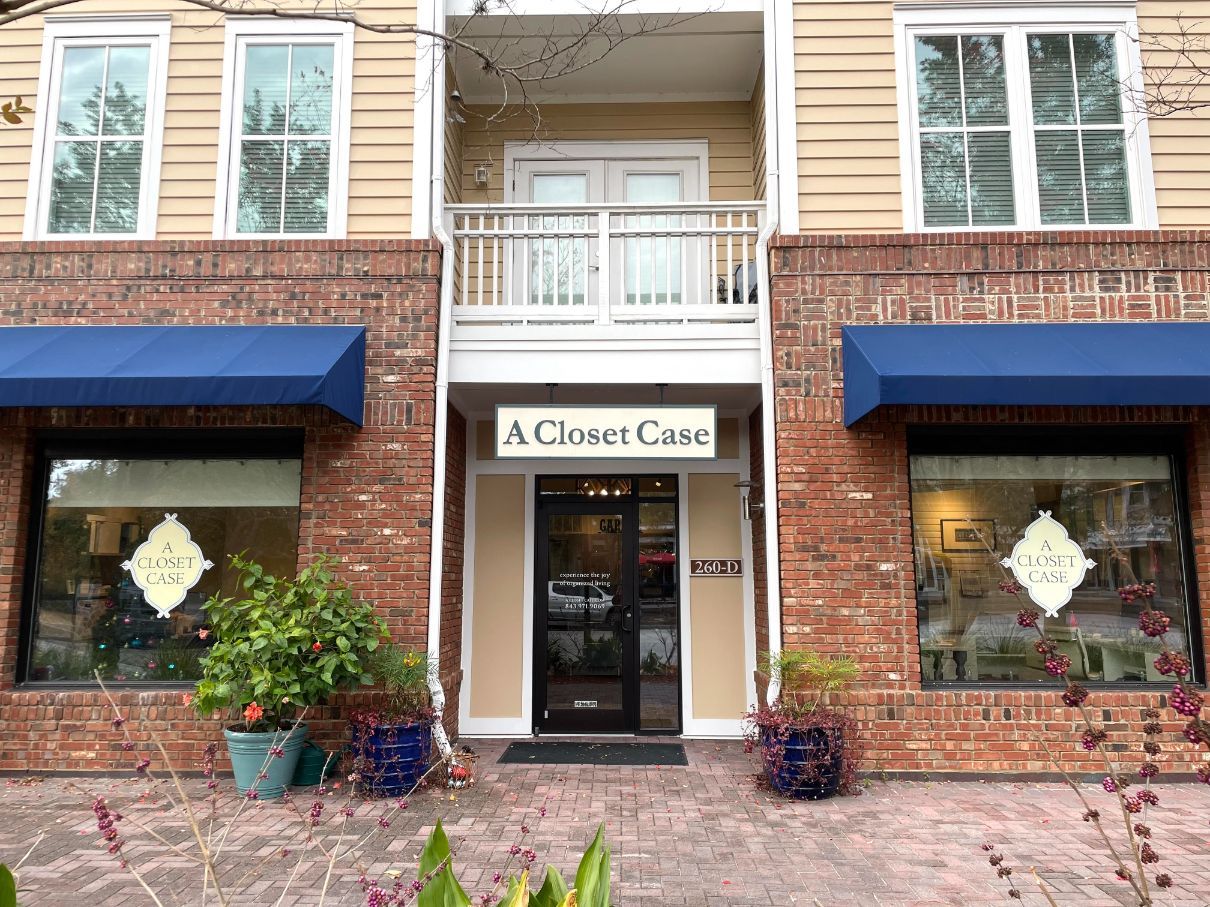
260-D Seven Farms Drive, Daniel Island, SC 29492
Contact Information
Phone: (843) 971-9069
Email: aclosetcase@gmail.com
Hours
Showroom & Office Hours
Monday - Friday: 9:00 AM - 5:00 PM
Saturday - Sunday: By Appointment Only