Best Garage Cabinet Options for Coastal Homes
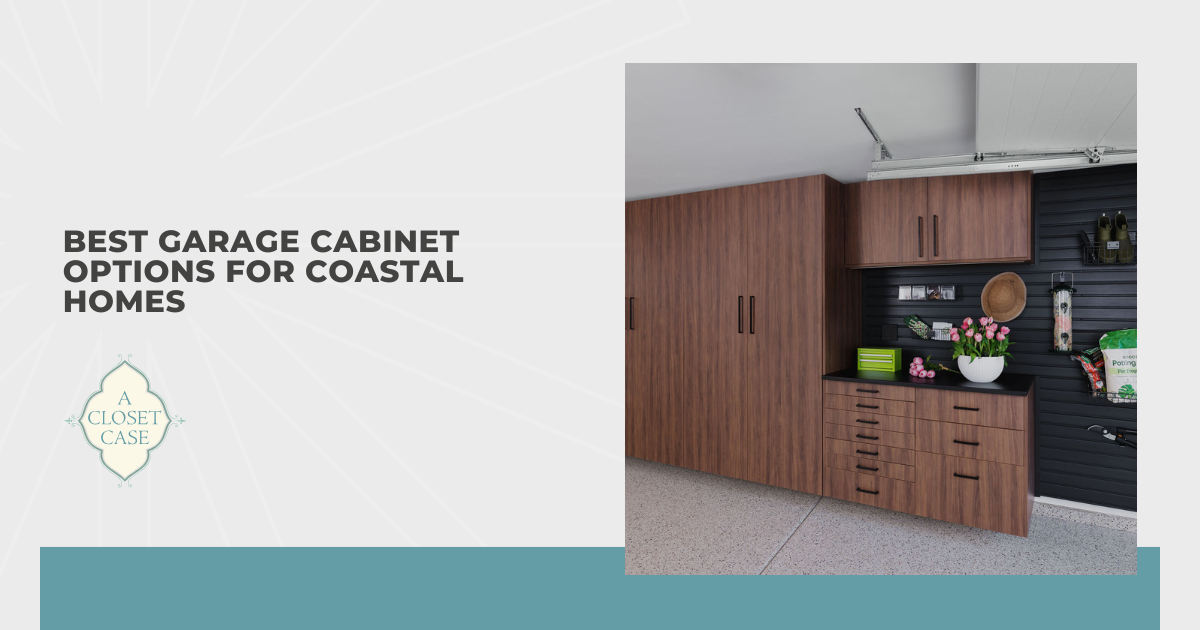
Living near the coast comes with incredible views, fresh air, and year-round outdoor living, but it also brings unique challenges inside your garage. I’ve seen how salt air, high humidity, and temperature swings can quietly damage standard storage systems over time. Choosing the right garage cabinets isn’t just about style. It’s about selecting materials and construction methods that can handle moisture, corrosion, and daily use without breaking down.
Many homeowners don’t realize how quickly humidity and airborne salt can affect cabinet surfaces, hardware, and internal components. Warping, rust, and surface deterioration often show up sooner than expected when materials aren’t built for these conditions. Garages tend to trap heat and moisture, especially during warmer months, which only accelerates wear. Planning ahead with the right system can prevent costly replacements and ongoing maintenance issues.
Here are the key areas we’ll cover to help you choose garage cabinets that hold up in humid, salt-heavy environments and deliver long-term performance:
- Best materials for garage cabinets in coastal homes
- Features that improve durability and performance
- Cabinet designs that perform best in humid environments
- Are custom garage cabinets worth it?
Let’s start with the materials and design features that truly make a difference when selecting garage cabinets for a coastal home.
Best Materials for Garage Cabinets in Coastal Homes
Choosing the right material is one of the most important decisions you’ll make when selecting garage cabinets for a coastal home. I’ve seen how quickly humidity and salt exposure can wear down the wrong surfaces. Not all cabinet cores and finishes respond the same way to those conditions. If you want your investment to last, moisture resistance and solid construction need to be at the top of your list.
- Thermally Fused Laminate (TFL):
A heat-bonded laminate surface creates a sealed, non-porous finish that holds up well in humid air. You get resistance to scratching, staining, and everyday wear without sacrificing a clean, modern look. If you want durability that still feels polished, this is a strong option to consider.
- Marine-Grade Polymer:
Built specifically for wet environments, this non-porous construction prevents water absorption and deterioration. You won’t have to worry about rust or swelling from damp air. For homes closer to the water, this level of protection can make a real difference.
- HDPE (High-Density Polyethylene):
Made from solid-core plastic, this option handles constant moisture and salt-heavy air with ease. It resists corrosion, insects, and long-term environmental stress. If your garage feels humid most of the year, HDPE can give you added peace of mind.
- Powder-Coated Steel:
Known for strength and load-bearing capacity, steel works especially well if you store heavy tools or equipment. A high-quality powder-coated finish adds an extra layer of corrosion resistance. When manufactured properly, it delivers durability along with a sleek appearance.
- Sealed High-Grade Plywood: Strong internal construction makes plywood a reliable cabinet core. When sealed with moisture-resistant laminates or protective finishes, it performs well in humid garages. Proper sealing and installation are key, so you’ll want to make sure that detail isn’t overlooked.
The material you choose upfront will directly impact how your garage cabinets perform over time. Coastal conditions aren’t forgiving, so investing in moisture-resistant options helps protect both your storage system and everything you keep inside it.
Features That Improve Durability and Performance
Material selection is only part of the equation. The hardware, finishes, and structural details built into your garage cabinets play a major role in how well they hold up in humid, salt-heavy environments. Small components like hinges and fasteners are often the first to fail if they aren’t corrosion-resistant. If you want your cabinets to last, these details deserve just as much attention as the cabinet panels themselves.
- Rust-Resistant Hardware:
Stainless-steel or coated hinges, handles, and fasteners help prevent corrosion over time. Standard hardware can start showing rust quickly in damp air. Choosing corrosion-resistant components keeps your cabinets operating smoothly and looking clean, even with daily use.
- Sealed Edges and Panels:
Properly sealed edges prevent moisture from penetrating the cabinet core. Exposed seams allow humidity to seep in, which can lead to swelling, peeling, or surface breakdown. Fully sealed panels add an extra layer of protection you don’t want to skip.
- Wall-Mounted Installation:
Elevating cabinets off the floor reduces exposure to standing water and surface moisture. Wall-mounted systems also improve airflow underneath the units, which helps everything dry out faster. If your garage floor ever gets damp, this design choice adds built-in protection.
- Ventilated Storage Options:
Integrated ventilation or breathable cabinet layouts allow air to circulate more freely. Better airflow reduces trapped moisture inside enclosed spaces. If you’re storing beach gear, yard tools, or anything that carries residual moisture, that added circulation makes a difference.
- Soft-Close, Heavy-Duty Drawer Systems: Reinforced drawer slides and soft-close mechanisms handle frequent use without loosening over time. Heavy-duty systems are less likely to warp or shift with temperature swings. Strong internal components keep everything aligned, secure, and easy to use.
Paying attention to these features ensures your garage cabinets don’t just look good on day one. The right hardware, sealed construction, and smart installation choices help the entire system perform better long-term. When materials and features work together, you end up with storage that’s built to handle real-world conditions.
Cabinet Designs That Perform Best in Humid Environments
Beyond materials and hardware, overall cabinet design plays a major role in long-term performance. Layout, mounting style, and door configuration all affect how well your garage cabinets handle moisture and daily use. A smart design reduces exposure to damp surfaces and improves airflow throughout the space. Planning the layout correctly from the start supports durability and easier maintenance.
- Wall-Mounted Cabinet Systems:
Floating cabinets keep storage off the floor, reducing contact with moisture and minor water intrusion. Added clearance improves air circulation underneath the units. Wall-mounted layouts also create a cleaner, more streamlined look.
- Full-Height, Closed-Door Storage:
Fully enclosed cabinets protect tools and supplies from salt particles, dust, and humidity. Closed-door systems limit interior exposure and help keep contents cleaner over time. For lower maintenance and better protection, this design performs reliably.
- Modular Configurations:
Modular systems allow you to adjust sections as your storage needs change. Individual units can be spaced strategically to improve airflow and reduce trapped moisture. Flexibility makes it easier to expand or reconfigure without replacing everything.
- Integrated Workbench Designs:
Built-in work surfaces create a dedicated workspace without introducing mismatched materials. Integrated layouts feel cohesive and structurally solid. This setup works especially well if you use your garage for projects, hobbies, or equipment prep.
- Elevated Toe-Kick or Leg-Supported Bases: Cabinets supported by legs or raised toe-kicks limit direct contact with damp floors. Even slight elevation helps protect the cabinet base from long-term moisture exposure. Extra clearance can extend the lifespan of your system.
Design choices matter just as much as material selection. Proper mounting, enclosed storage, and elevated bases strengthen overall performance. The right layout improves durability while making your garage easier to maintain in humid conditions.
Are Custom Garage Cabinets Worth It?
In humid, salt-heavy environments, custom garage cabinets often make more sense than off-the-shelf options. Standard big-box systems are built for average conditions, not the kind of moisture and corrosion your garage may face near the coast. With a personalized solution, you’re able to choose materials, finishes, and hardware that are better suited for long-term durability. This level of control helps prevent premature wear and ongoing repairs.
Fit is another major advantage. Pre-made cabinets often leave awkward gaps, wasted wall space, or tight clearances that trap dust and humidity. Custom garage cabinets are built to match your exact wall dimensions, ceiling height, and layout. A precise fit doesn’t just look better, it improves performance and makes maintenance easier.
Material selection also becomes more intentional. You can choose thermally fused laminate, marine-grade polymer, powder-coated steel, or other moisture-resistant options based on how you actually use your garage. Upgraded hardware, sealed edges, and elevated mounting can all be built into the design from the start. Your storage system is designed around your space, not forced into it.
Before making a decision, I encourage you to think beyond the upfront price. While custom garage cabinets typically require a higher initial investment, replacing warped panels, rusted hinges, or deteriorating units every few years adds up quickly. A system built specifically for humidity and salt exposure reduces maintenance and extends lifespan. In many cases, customization becomes the smarter long-term decision.
Conclusion
Humidity and salt air create challenges that standard storage systems simply aren’t built to handle. The materials you choose, the hardware inside each cabinet, and the way the system is mounted all influence how well it performs over time. Moisture-resistant surfaces, corrosion-resistant components, and elevated designs work together to reduce long-term wear. Custom garage cabinets can take that protection even further by matching the exact needs of your space. When durability drives the decision, you end up with storage that looks clean, functions smoothly, and holds up in demanding coastal conditions.
Showroom Location
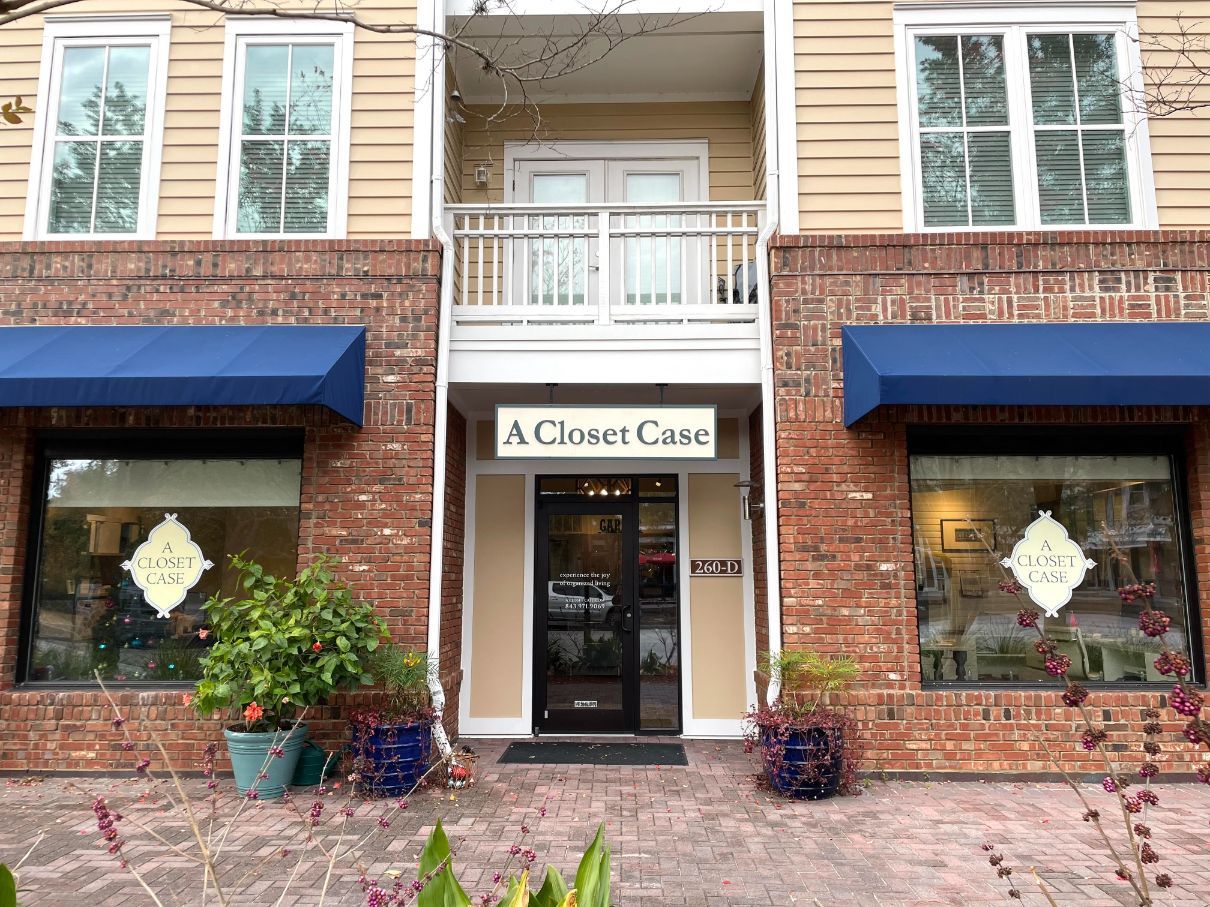
260-D Seven Farms Drive, Daniel Island, SC 29492
Contact Information
Phone: (843) 971-9069
Email: aclosetcase@gmail.com
Hours
Showroom & Office Hours
Monday - Friday: 9:00 AM - 5:00 PM
Saturday - Sunday: By Appointment Only