Closet Systems Cost Breakdown: What Affects Pricing and Why
If you’ve ever searched for closet systems and wondered why one quote feels reasonable while another seems premium, you’re not alone. Closet pricing can vary widely even for spaces that look similar at first glance. As a closet company owner, I see the same cost drivers come up again and again. Once you know what those drivers are, it’s much easier to set a budget and compare options confidently.
My goal is to help you feel informed—not overwhelmed—when planning a closet project. Instead of relying on vague online estimates, you’ll learn what truly affects pricing and why. I’ll walk through the biggest factors that impact cost and share practical ways to keep your project under control. By the end, you’ll be able to read a closet quote and understand what’s influencing the total.
Here are the biggest factors that affect closet systems pricing:
- Closet type and size set the baseline cost
- Material quality and thickness drive most of the price
- Finish and color selections add labor and production time
- Drawer count and configuration can increase costs quickly
- Hardware grade and performance affect daily use and longevity
- Installation conditions and complexity shape labor costs
- Lighting and electrical needs should be addressed early
- Potential hidden costs can impact the final total
- Quote structure and comparison help you evaluate value
- Budget tier and priorities keep the project on track
If you want to avoid sticker shock and make smarter decisions, these 10 tips will help. Keep reading, and you’ll learn how to identify what’s driving the price—and where you can save without sacrificing quality.
Closet Type and Size Set the Baseline Cost
Closet type and size usually determine the starting point for closet systems pricing before you choose any upgrades. Walk-in closet systems often cost more than reach-in closets because they require more material, more corners, and more planning. Ceiling height also plays a role, since taller designs use more panels and can take longer to install. Even small differences in dimensions can affect how many shelves, dividers, and supports are needed.
To keep this part of the budget predictable, I recommend getting accurate measurements and noting anything that impacts layout. Doors, windows, vents, baseboards, and angled ceilings can all influence design and labor. If you’re working with a professional, sharing photos and rough measurements early can help the quote reflect real conditions. That way, your pricing is based on facts rather than assumptions.
Material Quality and Thickness Drive Most of the Price
Material choice is one of the biggest cost drivers in closet systems, and it often affects durability just as much as appearance. Laminated particleboard is common and cost-effective and can look great when it’s well-made and properly edged. Furniture-grade plywood typically offers more strength and better long-term performance, especially for wider spans and heavier loads. Solid wood is often the most expensive option and is usually chosen for its craftsmanship and finishing options.
When deciding, I suggest thinking about how you actually use the space. If you store heavier items like handbags, bins, or stacks of folded clothes, a sturdier material may be worth the investment. If your closet is mostly hanging space and light daily wear, you may not need to upgrade everything. A balanced approach is often the best value, especially when you’re trying to keep your budget realistic.
Finish and Color Selections Add Labor and Production Time
Finishes can change pricing more than many homeowners expect because they impact both materials and manufacturing steps. Standard finishes like white and common neutrals tend to be the most affordable because they’re produced in higher volume and are easy to match. Textured laminates, high-gloss looks, paint-grade finishes, and custom stains typically add cost. Matching existing cabinetry can also increase labor and lead time, especially if the color has to be adjusted to blend properly.
If you’re aiming to control your budget, choosing a standard finish is one of the easiest ways to do it without sacrificing a polished look. Many modern closet systems look high-end simply because the layout is clean and the design is intentional. In my experience, most homeowners feel the difference more in how the closet functions than in whether the finish is “custom.” If budget is a concern, I’d prioritize function-based upgrades first.
Drawer Count and Configuration Can Increase Costs Quickly
Drawers tend to increase the price of closet systems quickly because they require additional construction and additional hardware. Drawer boxes, drawer fronts, and slides add cost compared to open shelves. The quality of the slides—soft-close, weight rating, and smoothness—also impacts pricing. Even a few drawers can shift a quote, especially if they’re large or custom-sized.
That said, drawers can also add a lot of everyday function. I typically recommend choosing drawers strategically, placing them where you’ll use them most, like for accessories, undergarments, or folded basics. You can keep other zones as shelving or hanging space to balance the budget. This approach tends to deliver the best mix of organization and value.
Hardware Grade and Performance Affect Daily Use and Longevity
Hardware is one of those details people don’t think about until they use their closet every day. The quality of your drawer slides and hinges affects how smoothly everything operates and how long it holds up under daily wear. Soft-close hardware costs more than basic options, but it reduces noise and tends to prevent slamming and damage over time. Weight ratings matter too, especially for drawers that will hold heavier items like denim, sweaters, or bags.
I don’t believe you need top-of-the-line hardware everywhere, but I do recommend prioritizing quality where you use it most. High-use drawers and doors benefit the most from upgraded slides and hinges. When comparing quotes, ask what brands or models are included and whether soft-close is standard. Clear hardware specifications are often a sign that you’re getting a well-built system.
Installation Conditions and Complexity Shape Labor Costs
Installation costs can vary because every home presents different conditions. Older houses may have uneven walls, plaster, irregular studs, or floors that aren’t perfectly level, which increases labor time. Tall units, multi-wall layouts, and tight corners also take longer to install and align properly. If a closet requires extra reinforcement, leveling, or specialty fastening, that can raise the installation portion of the quote.
To avoid surprises, I recommend doing a walk-through or sharing clear photos before finalizing pricing. A good installer will account for real-world conditions rather than assuming the closet is a perfect box. It’s also important to confirm what installation includes, such as removal of old shelving or minor patching. In my experience, installation quality is just as important as the materials you choose.
Lighting and Electrical Needs Should Be Addressed Early
Lighting can transform how a closet feels, and it’s a feature many homeowners appreciate once it’s installed. LED strips, puck lights, and motion sensors add convenience and make it easier to use the space daily. Electrical work is usually separate from the closet installation and often requires an electrician, which increases both cost and scheduling coordination. Retrofits after installation can be more expensive if wiring requires patching or additional labor.
If lighting is important to you, bring it up during the design process rather than after the closet system is built. That way, lighting placement, wiring, and switch locations can be planned around the layout. Even if you don’t install lighting right away, designing with future wiring in mind can save hassle later. A little planning upfront can make a big difference in total cost and final results.
Potential Hidden Costs Can Impact the Final Total
Hidden costs aren’t always “extra fees”—they’re often project-specific items that vary from home to home. Delivery, haul-away, disposal, and prep work like patching or painting can affect your final total. Closet door upgrades, flooring refreshes, or baseboard modifications may also come into play depending on the condition of the space. Change orders are another common cost factor, especially if drawers, finishes, or lighting are added after production starts.
To manage this, I suggest asking a simple question early: “What’s excluded, and what typically causes the final price to increase?” A transparent company should be able to answer clearly. Knowing the common variables helps you build a realistic budget and avoid frustration later. It also keeps your project from feeling like it’s constantly creeping upward.
Quote Structure and Comparison Help You Evaluate Value
It’s easy to compare closet systems quotes by looking only at the bottom-line price, but that often leads to confusion. Two closets can look similar while using different material thicknesses, edge finishes, or hardware grades. Warranty terms and service also vary, and those details matter when your system includes moving parts like drawers and hinges. Installation scope is another big difference, so it’s important to confirm exactly what is included.
I recommend comparing quotes using a checklist so you can evaluate value more accurately. Look at material type, thickness, finish, hardware brand, and whether soft-close is included. Ask whether removal of old shelving is covered and what kind of warranty comes with the system. When you compare specs instead of just price, the right choice usually becomes much clearer.
Budget Tier and Priorities Keep the Project on Track
A “good, better, best” framework is a simple way to build a closet budget without getting overwhelmed by options. A “good” closet system might focus on durable basics like shelves and hanging rods with minimal upgrades. A “better” system often adds upgraded materials or finishes, a few drawers, and stronger hardware. A “best” system typically includes premium materials, more drawers, upgraded finishes, and sometimes lighting.
What I encourage homeowners to do is prioritize the features they’ll use daily. Hardware and drawers often impact satisfaction more than specialty finishes. Accessories and add-ons can also be phased in later if you want to spread out the investment. With the right priorities, you can build a closet system that feels high-end without overextending your budget.
Conclusion
A closet system should make your day easier, not add stress to your decision-making. When you approach your project with clear priorities and a realistic budget, the process becomes surprisingly straightforward. Trust that you don’t need every upgrade to get a closet that feels custom and works beautifully. With the right plan, you’ll end up with a space that supports your routine and feels good every time you open the door.
Showroom Location
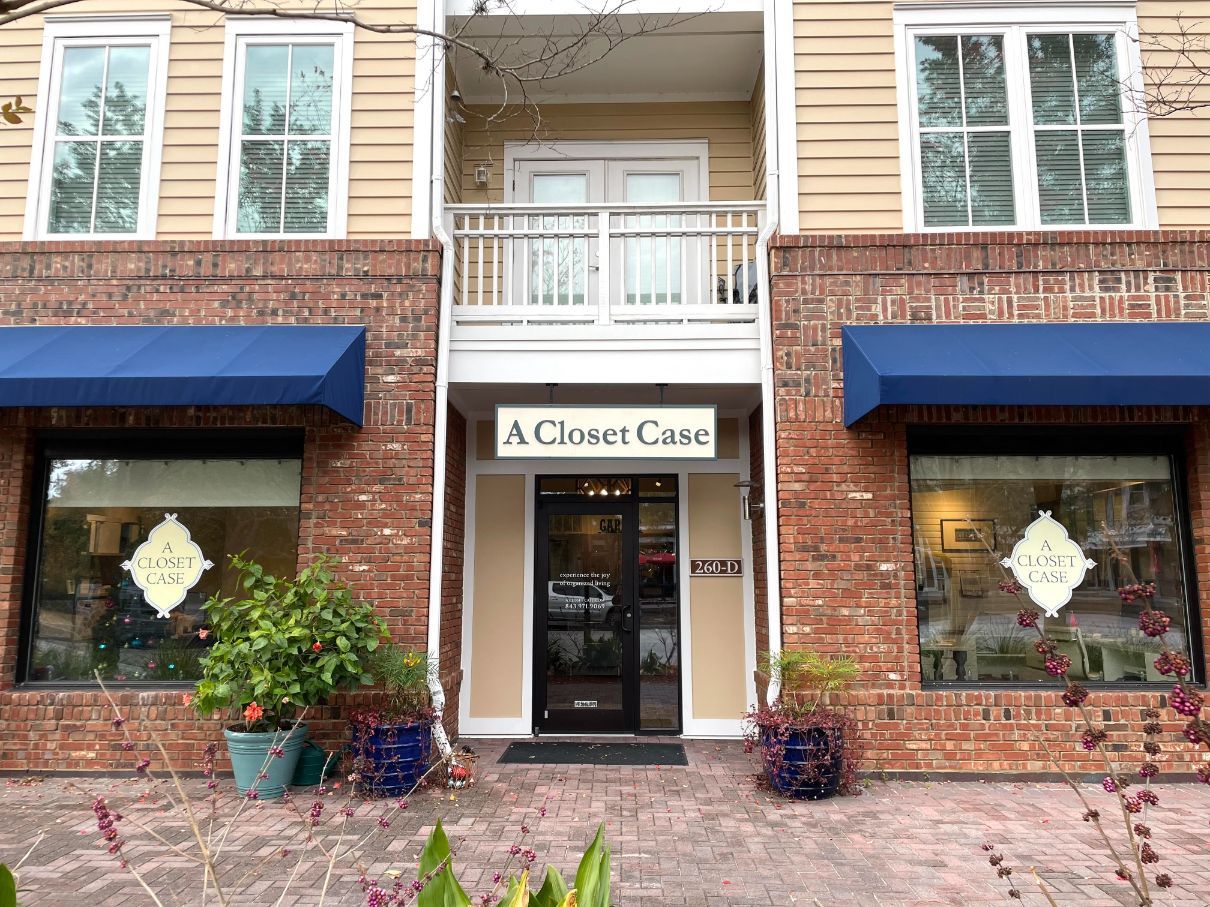
260-D Seven Farms Drive, Daniel Island, SC 29492
Contact Information
Phone: (843) 971-9069
Email: aclosetcase@gmail.com
Hours
Showroom & Office Hours
Monday - Friday: 9:00 AM - 5:00 PM
Saturday - Sunday: By Appointment Only